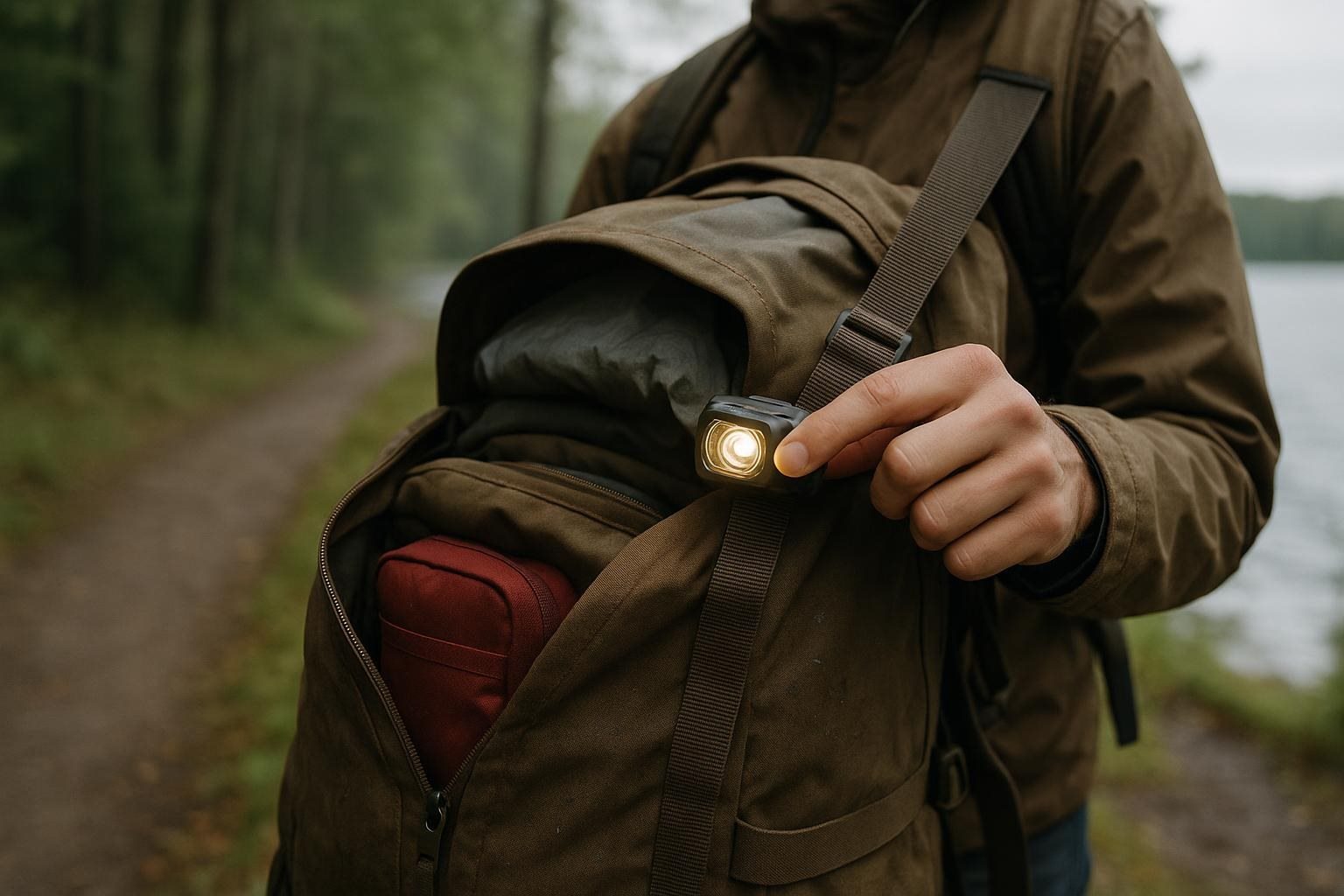
Preparation often fails at the details: a damp fire starter, dying headlamp, loose boot sole or outdated regulation summary can turn a straightforward outing into a poor decision. A useful gear audit is less about buying equipment than matching essentials to the weather, terrain, activity and return plan. For newcomers that approach makes a day safer, lighter and easier to manage.
Start with the route, weather and return plan
Before leaving identify where you will park, how far you expect to travel what terrain may slow you down and when someone should expect you back. A maintained trail and a wet bush approach demand clothing, footwear and communication plans.
Check the forecast close to departure while allowing for change. Wind, rain, cold and fading light affect clothing, visibility, footing and battery life. Leave a written or shared plan with a person, including the general area, vehicle description, companions and expected return time. A phone helps,. It is not a complete emergency plan when coverage is uncertain or its battery is weak.
Remove failure points before adding equipment
Lay out everything you intend to carry and inspect the items likely to fail. Test the headlamp open the first-aid kit and replace used damp or expired contents. Check that a lighter fire starter or waterproof matches are dry and inspect water containers for cracked caps or leaks.
Look for rainwear missing fasteners and worn elastic. Check whether boots still provide warmth, grip and water resistance. When exposure is possible pack a layer in a sealed bag. Choose layers for the temperature, activity level and forecast than relying on one heavy garment; cotton can become uncomfortable when wet.
Do not treat navigation as an app-only task. Carry a charged phone with a map when appropriate know the basic route and carry a simple backup, such as a map and compass when the setting warrants it. Practise with equipment at home not in poor weather.
Use one departure checklist
A checklist earns its place when it catches repeatable mistakes. Keep it short to use at the door and adapt it for hunting, fishing preparation or a skills outing.
– Route, weather, daylight and return time reviewed
– Regulations, licences, tags and required permissions checked
– Phone charged; backup communication or navigation considered
– Water, food and a basic first-aid kit packed
– Headlamp tested, with power where needed
– Clothing and footwear checked for warmth, dryness and grip
– Fire-starting items protected from moisture
– Activity-specific equipment checked for fit, condition and safe operation
– Waste bag included
– Someone at home has the destination and return plan
The goal is not ritual but catching small omissions before they become larger problems after the vehicle is out of sight.
Separate essential equipment from comfort items
Judge weight by consequence, not habit. Water, weather protection, navigation, first aid, communication and activity-specific safety equipment usually deserve priority. For tools duplicate optics, large containers and "just in case" accessories ask: what problem does this solve and what happens if I leave it behind?
For hunting, handling and secure transport take precedence over convenience. Inspect equipment before departure keep ammunition and other supplies organized and use a direction and controlled handling practices at every stage. Do not modify equipment you do not fully understand. If an item affects operation obtain qualified guidance rather than relying on a forum comment or rushed video.
For fishing check line, knots, hooks, landing tools and flotation equipment where relevant. A small repair kit may be more useful than a lure box. Cold water adds risk on a warm day so clothing, a way to summon help and a stable approach to the shore or boat deserve attention before tackle selection.
Build preparation around conservation ethics
A successful outing is not measured by what is harvested or caught. Avoid damage minimize disturbance and leave the site cleaner than you found it. Stay on surfaces where possible control food and waste and do not cut live vegetation for convenience.
Wildlife may be stressed by weather, nesting, migration or concentrated human activity. Give animals space keep dogs under control where required and do not handle wildlife or interfere with nests. A permitted action can still be poorly. Needlessly disruptive.
Carry out line, hooks, packaging and damaged equipment. Lost fishing line can remain a hazard after an angler leaves while a repair or waste bag weighs little and prevents the excuse that there was nowhere to put rubbish.
Verify Ontario rules before departure
Regulations change and memory is not reliable. Before a hunt or fishing trip consult official Ontario guidance for the activity, season, location, licence requirements, species restrictions, methods, possession rules and reporting obligations. Confirm details for the wildlife management area, municipality, private property or waterbody when those rules may apply.
Keep documents accessible and make sure every group member understands the relevant limits. A screenshot or printed note can help in areas with service but it should come from current official information. Treat summaries, inherited advice and social-media posts as leads to verify, not authority.
Access rules matter too. Permission, parking restrictions, fire rules and local closures can affect a trip even when the broader season is open. If a rule is unclear. Confirm it before proceeding. A lighter pack is useful; a lighter attitude toward changing requirements is not.
Review the day before repeating it
After returning, dry wet clothing, clean equipment, recharge batteries. Replace what was consumed. Note what was unnecessary what nearly failed and what conditions demanded. That review improves the departure more effectively than buying a new accessory.
Preparation is respect for companions, emergency responders, landowners and the habitat that makes outdoor recreation possible. Carry what keeps you capable verify what keeps you legal and leave behind little impact, as practical.