Essential Steps, for Ethical Waterfowl Identification
Waterfowl hunting needs more than equipment and calls. A key part that many forget is how to identify waterfowl when visibility's bad. In wetlands many species look alike. Mistakes can cause legal problems and moral questions. To have an responsible hunt it is very important to set up a waterfowl identification routine and keep up with rules but do not let this become a heavy burden.
Navigating Poor Light Conditions
Finding waterfowl in morning light is harder than looking at them in an indoors. At dawn colors mix, wing patterns fade and judging size can trick hunters. Fog, backlight and rippling water can also hide details.
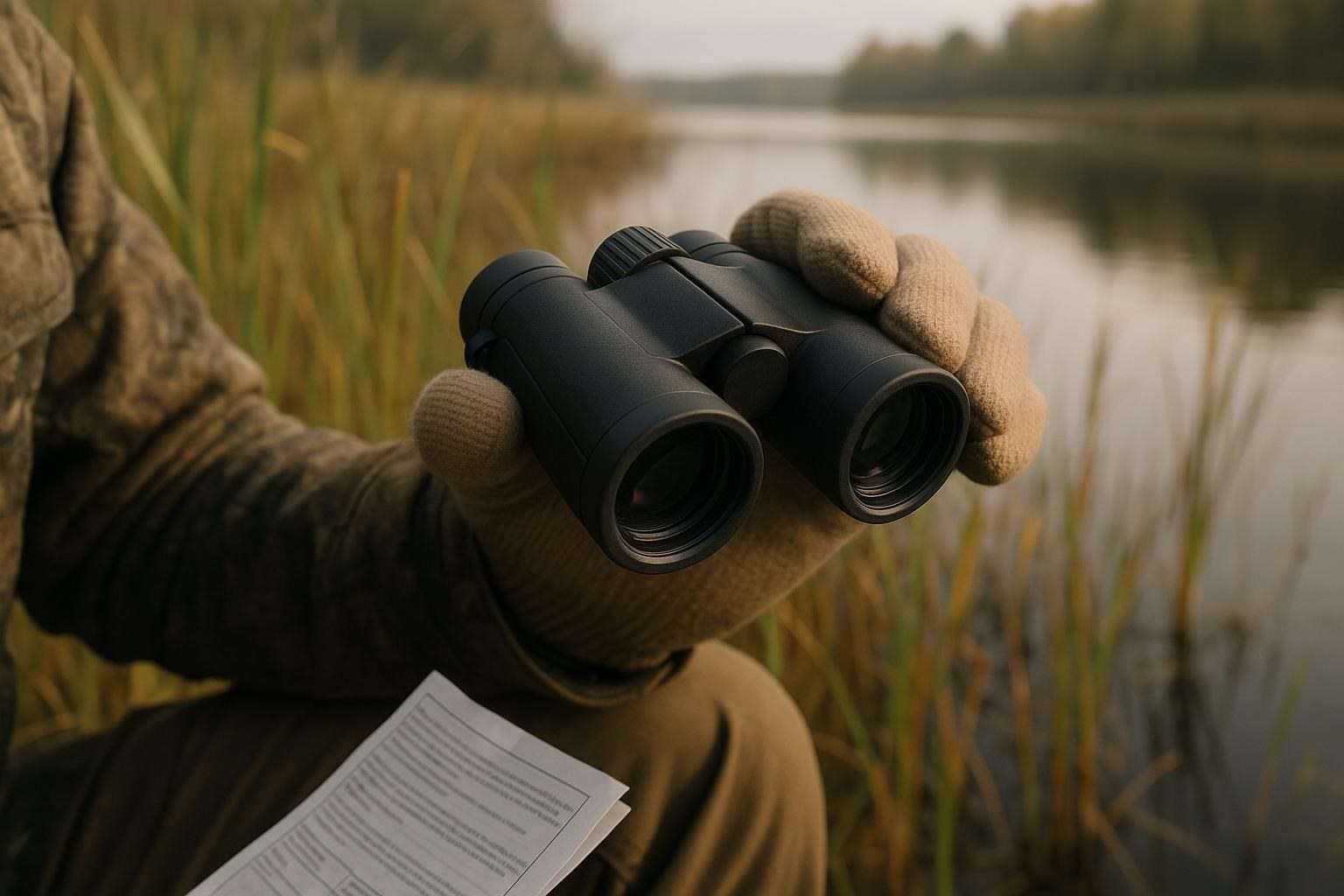
When you pick a spot pick a place where you can see waterfowl against a bright background rather than a dark tree line. Keep binoculars ready. If you cannot tell two species apart it is important to rethink shooting. When you cannot clearly identify a waterfowl it is a reason to hold back from pulling the trigger.
Before the season starts look at pictures of the waterfowl you may see. Notice their shapes. How they fly, not their bright breeding colors. Watch body size, neck shape, bill shape and how they act. Use clues, because bad visibility can limit what you can see.
Establishing an Identification Checklist
Creating a plan for identifying waterfowl helps when pressure rises. When a waterfowl comes near think through this list:
1. Is it a duck, goose or something else entirely?
2. How does its size and shape compare to known species?
3. What are two or three distinguishing features that confirm your identification?
4. Are you within the guidelines of regulations for this waterfowls species, habitat and time?
The third question is your safety net. Saying "It looks like a duck" is not enough. Remember that a wing pattern can disappear when the waterfowl folds its wings and calls change with distance and wind. If you can only spot a waterfowl by a feature wait for a view or let the waterfowl move away.
This method is very important with flocks. Do not think a whole group of waterfowl is the same as the ones you know. Confirm each waterfowl before shooting.
Using Habitat as a Reference Point
Habitat can help choices. It should not be treated as proof of a waterfowls species. Shallow marshes, bays and flooded farms can bring waterfowl but weather, migration times and water levels can change which waterfowl you see. Use habitat to improve identification. Do not let it decide everything.
Decoys may lure waterfowl. They do not help you see waterfowl clearly. Keep your spread simple. If it blocks sight or lets you take shots in a group you lose more than you win.
Keeping Up with Regulations Before and During the Season
Rules for waterfowl can change, because of season, place and special conditions. To hunt responsibly in Ontario look at the rules and federal needs at the start of the season. When conditions change. Do not rely on summaries or saved pictures of rules; make sure your data is current.
– Confirm legal hunting hours and the open season for your area.
– Check which species are allowable and their respective limits.
– Ensure you have the licenses and stamps and understand any reporting or tagging requirements.
– Be aware of equipment rules, including restrictions on shot types and firearms.
– Review access permissions, local closures and conditions unique to the wetland you're using.
– Establish a plan for dealing with uncertain identifications: in such cases do not shoot.
The last bullet is very important. Rules cannot solve identifications; the responsibility is on the hunter. A promise to follow these rules starts with knowing them and deciding not to shoot when you're unsure.
Raising the Bar, for Ethical Hunting
Ethical hunting goes beyond being close, to the target. Always choose shots carefully preferring angles that give a background and do not shoot into groups where another bird might hide. Think about how you will retrieve the bird; obstacles such as reeds, strong currents or muddy banks can make recovery harder. If a bird lands in a spot be ready for help or to change your plan. When getting the bird back looks difficult it is wiser to let the shot go than to risk the recovery.
After you take a shot mark the bird's position away and keep your attention on that spot. Move carefully using paths while looking in a way. If a bird looks hurt but can still move do not jump blindly into water; keeping your safety in mind is part of hunting.
Contributing to Wetland Preservation
Respecting the environment is vital. Use existing access points avoid driving on ground and make sure your gear does not harm plants. Clean up after hunting; take away hulls, food wrappers and any broken equipment. Do not cut plants more than needed for cover. Do not disturb places.
The best hunting spot does not always have the birds. Often a calm plant-rich area is more useful for hunts. Watch for changes such as blockages, erosion and invasive plants. Report these problems to the proper land managers instead of fixing them on your own.
Keeping an identification routine protects your hunting license improves hunting and helps keep wetland ecosystems healthy, for wildlife and other hunters. Good preparation is important especially when light is difficult.